Publishing > La gran pijamada de los carpinchos

La gran pijamada de los carpinchos

The capybaras’ big sleepover • English translation of title

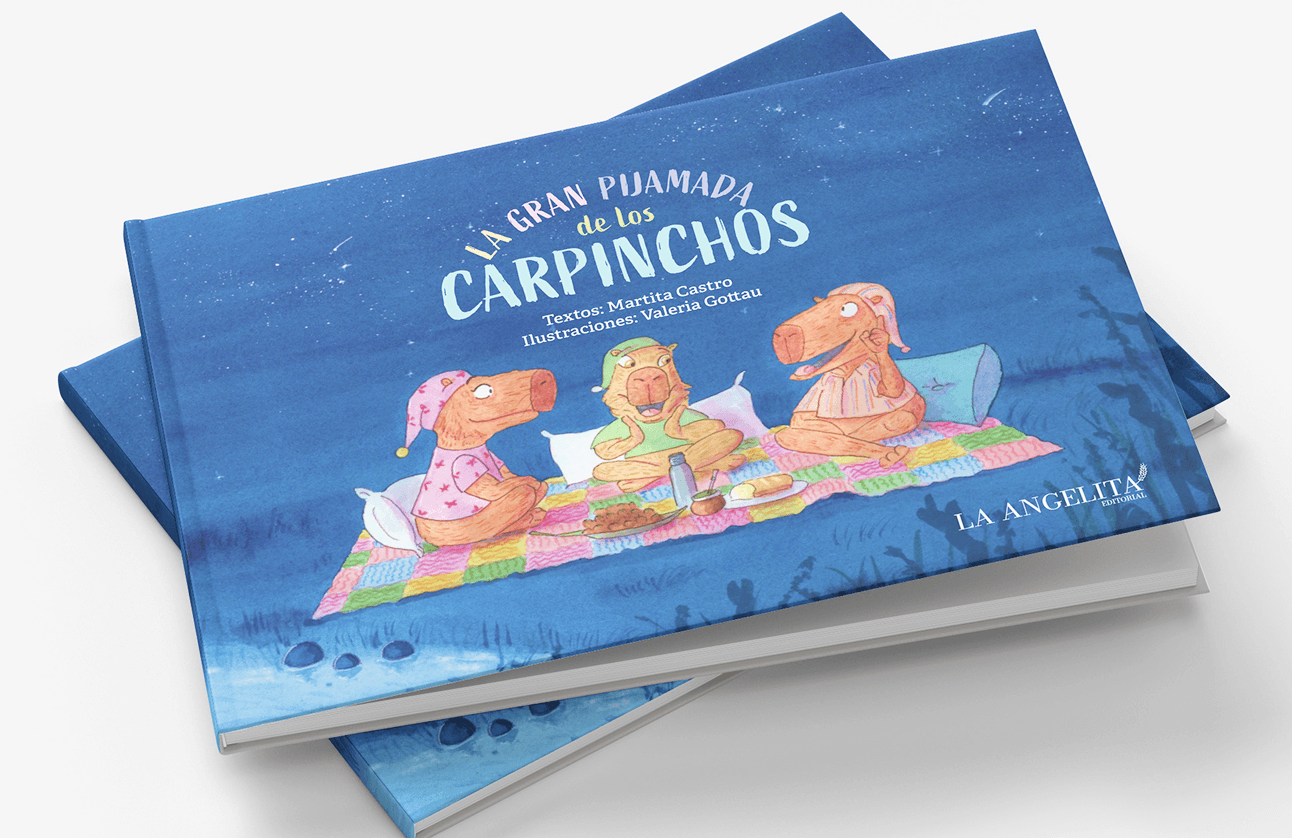
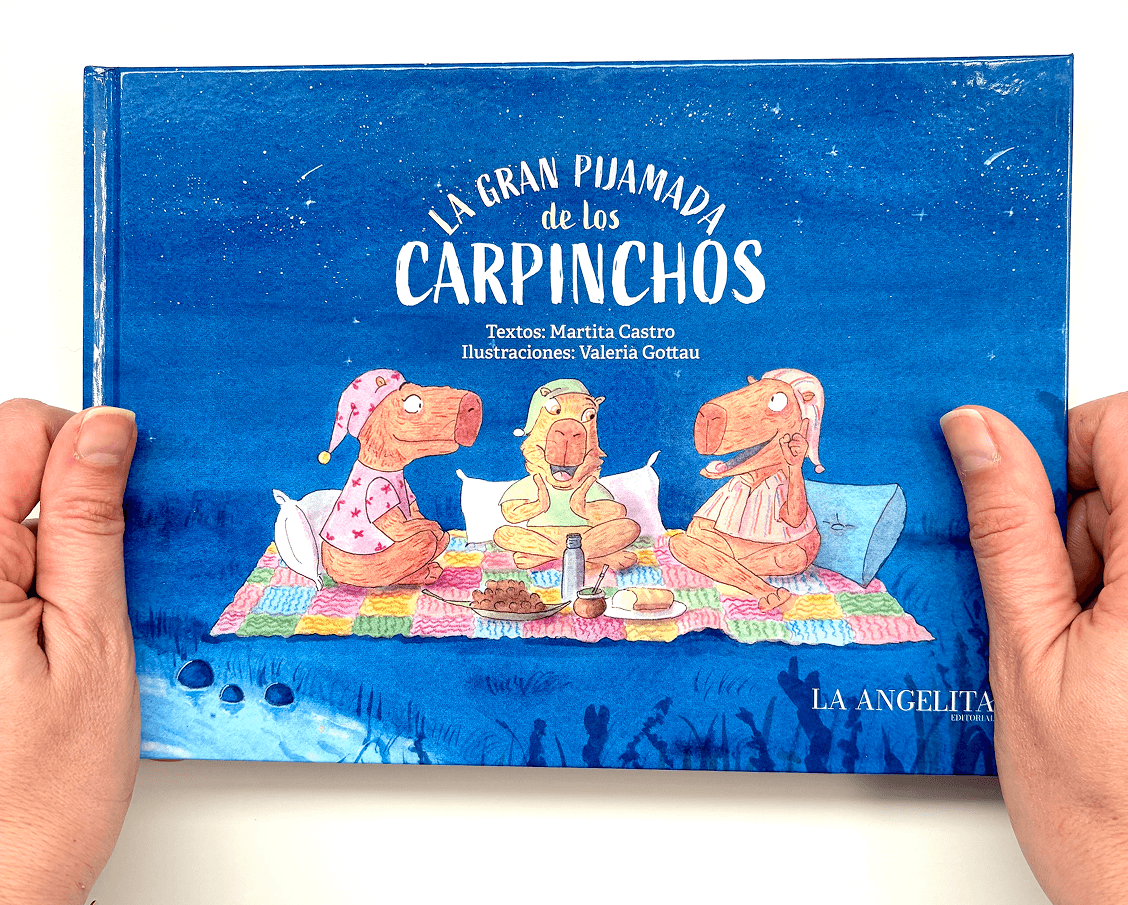
Book cover

Role:
Publisher:
Year:
Writer:
Type:
Pages:
Media:
Language:

Illustrator
La Angelita Editorial
2026
Martita Castro
Illustrated children’s book
42
Ink & watercolour on paper
Spanish

Overview

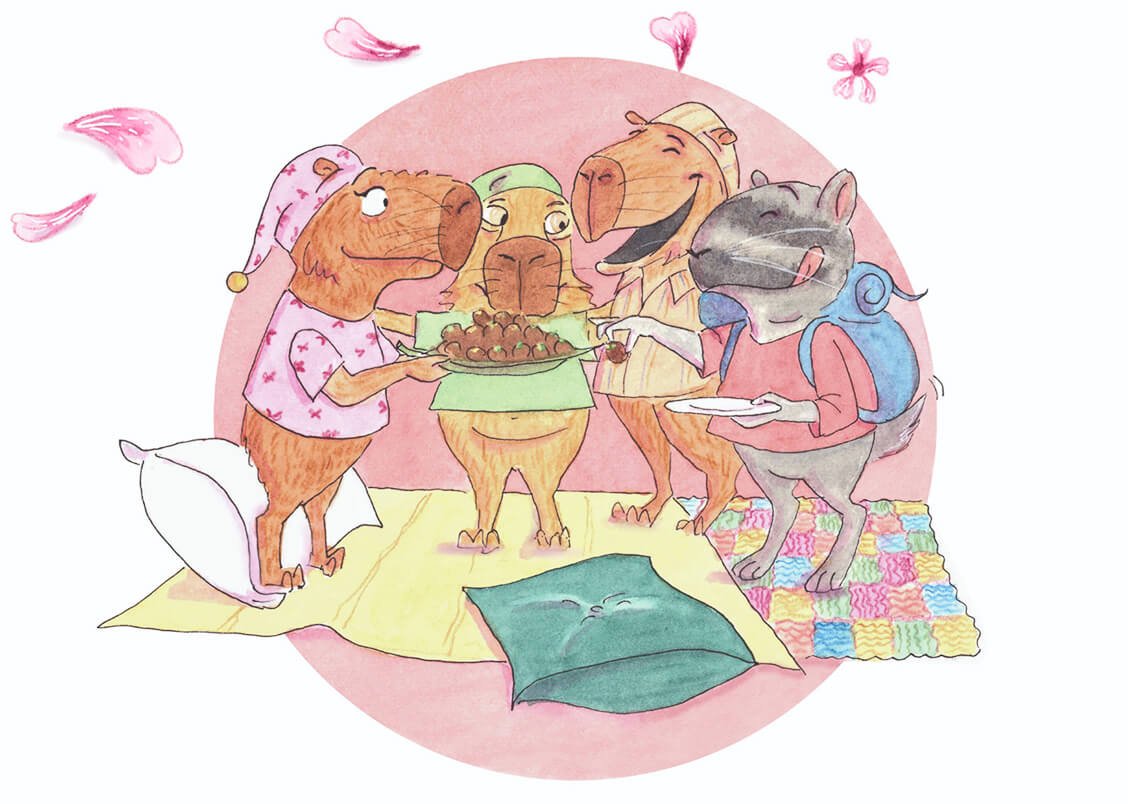
“La gran pijamada de los carpinchos” follows three capybaras as they organise a sleepover at their lagoon. With inclusion at the heart of the story, I knew from the beginning that the supporting characters would be just as important as the three protagonists.
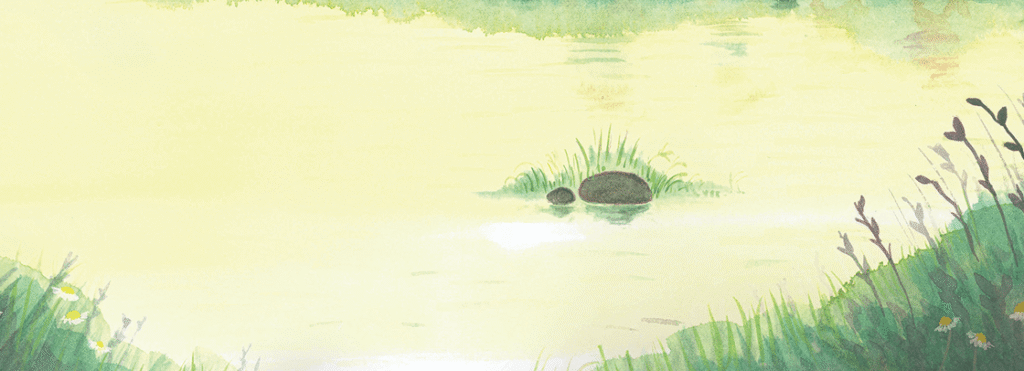
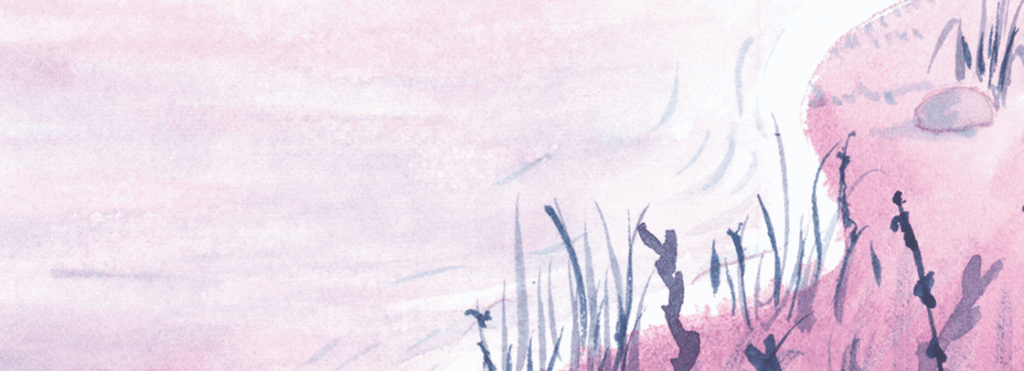
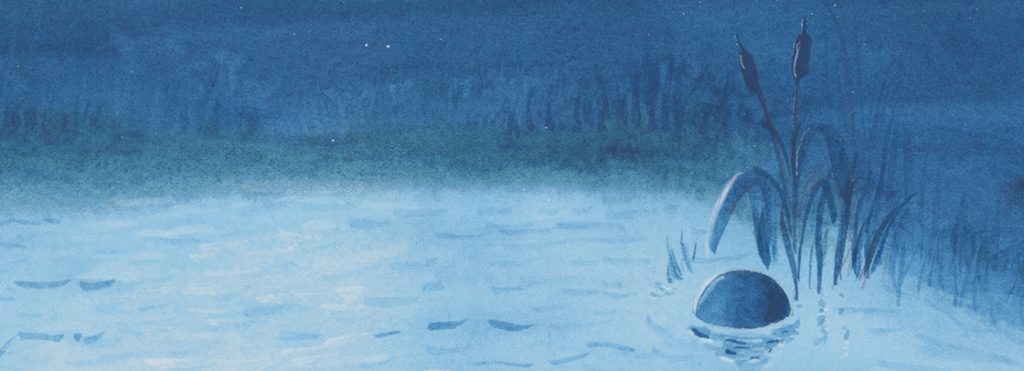
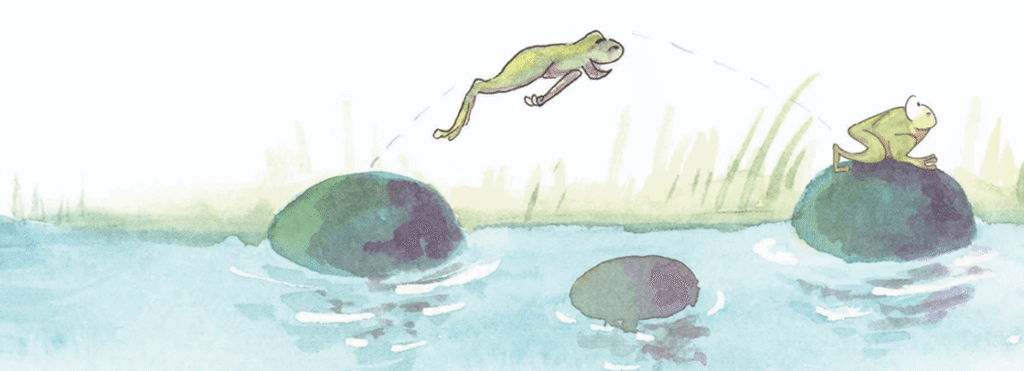
As I developed the visual narrative, I realised that the lagoon itself had an equally important role to play. As the sleepover unfolds, the same landscape gradually transforms from late afternoon to sunset, night and dawn, using changes in light, colour and atmosphere to convey the passing of time.

Process

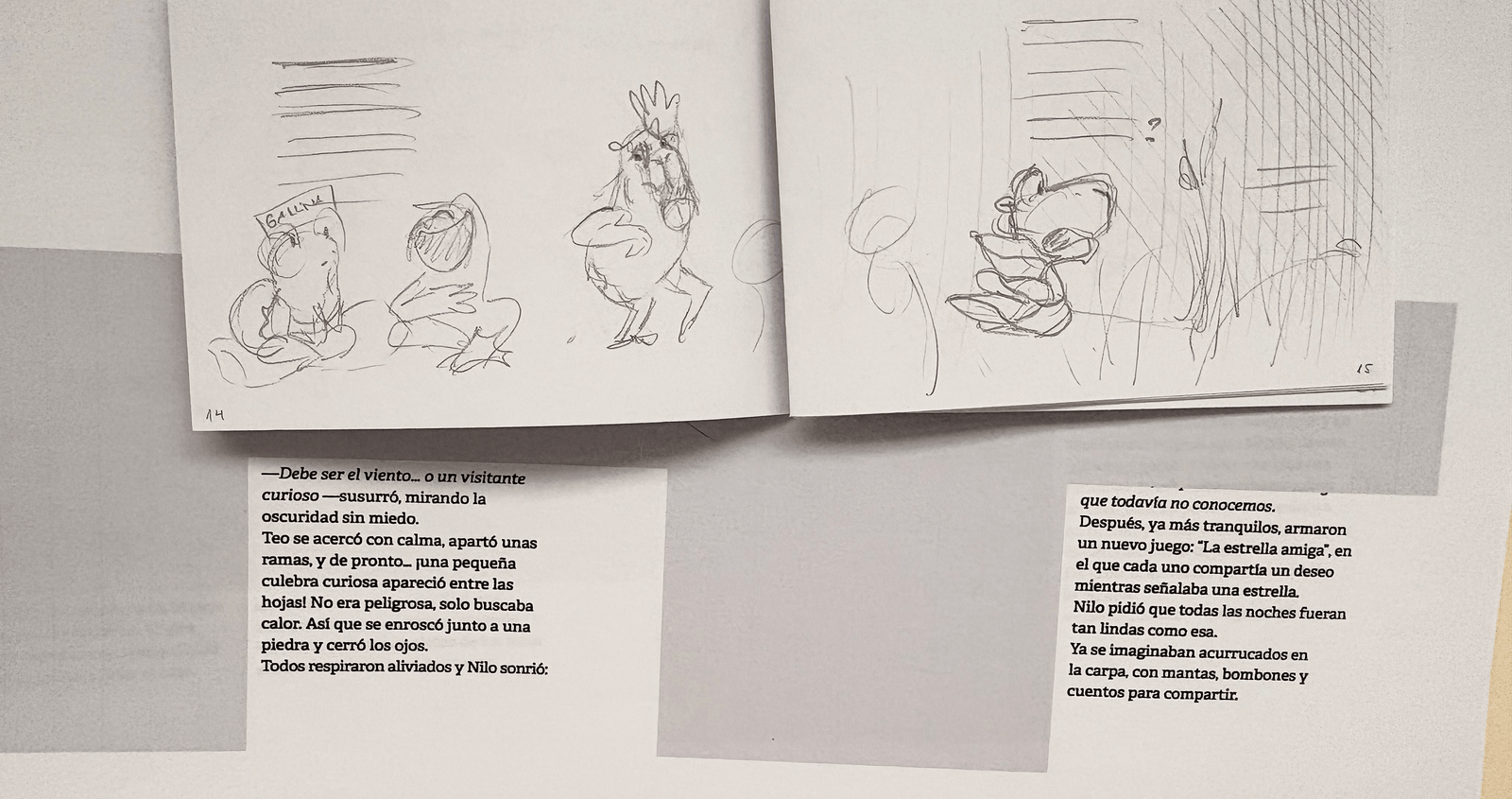
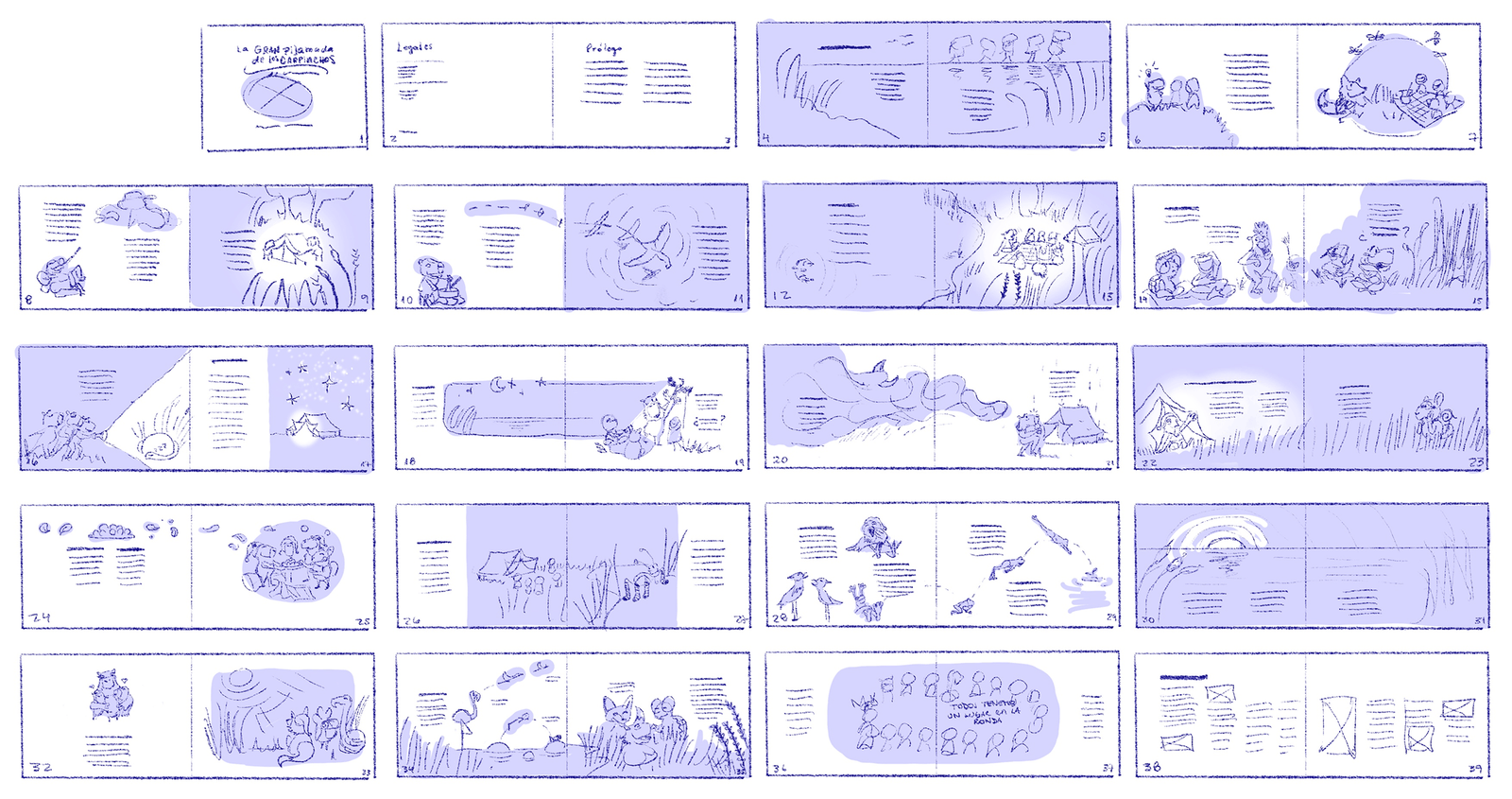
I balanced fully illustrated spreads with quieter compositions that allowed more breathing room, creating visual rhythm throughout the book. I also considered what each spread needed to reveal (or intentionally hold back) to support the story and its page turns.

Miniature
Landing in Paris

At this early stage, I began mapping the transition from late afternoon through sunset and night to dawn, allowing changes in light and colour to shape the palette of each spread.

Full-book storyboard

Visual development

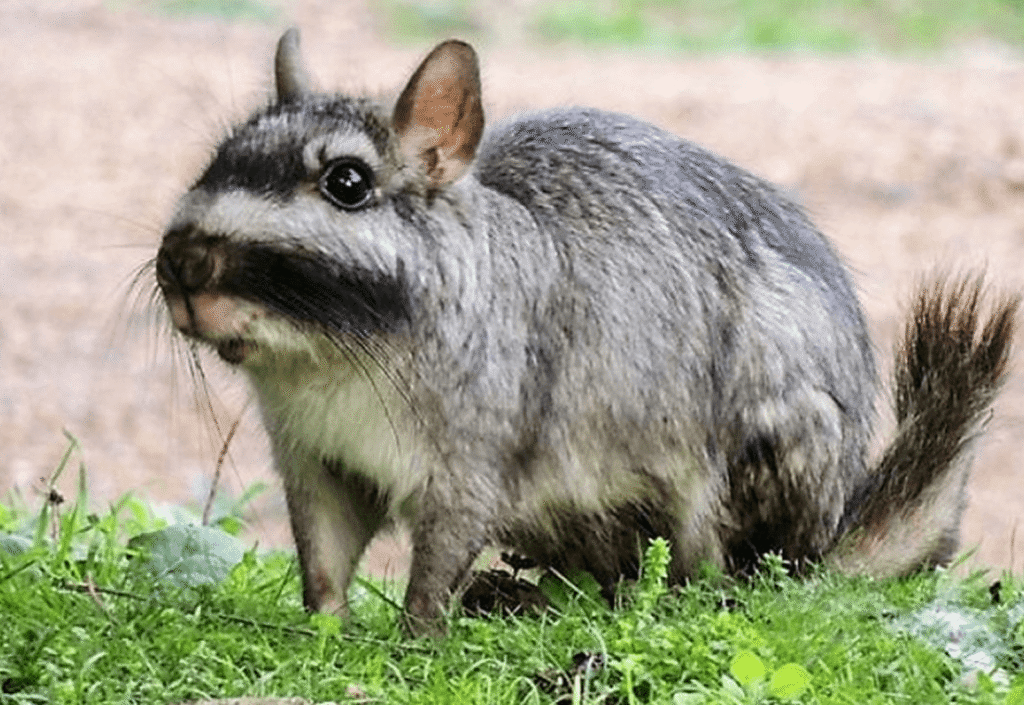
The story is set in the Pampas, so I researched native wildlife and vegetation to ensure the animals and landscapes felt authentic while remaining approachable for young readers.
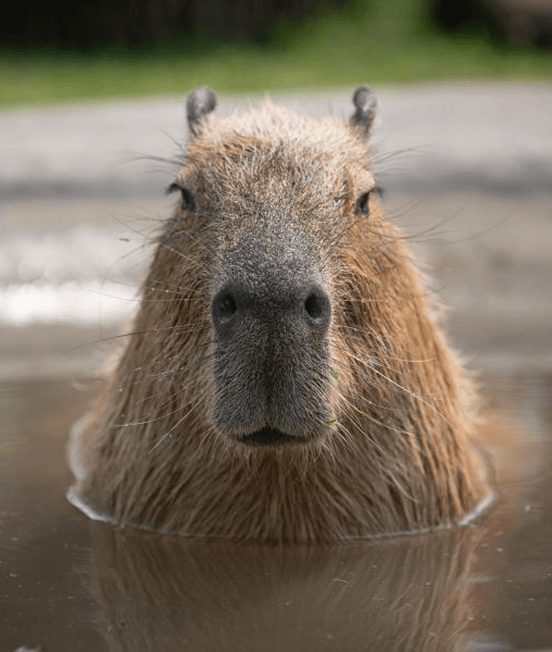
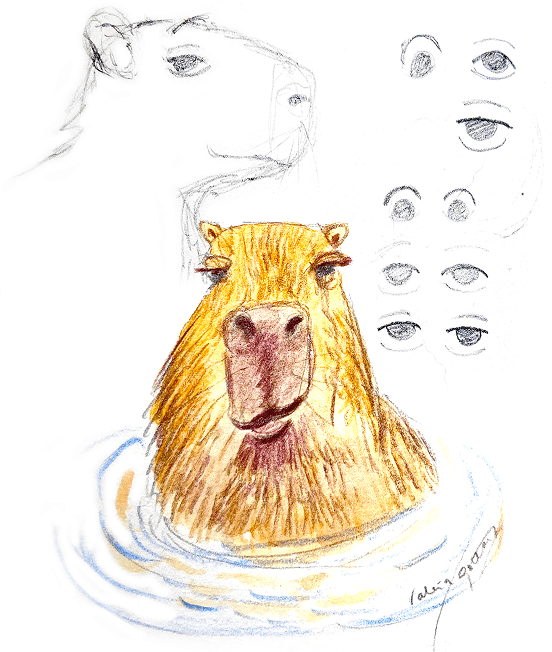
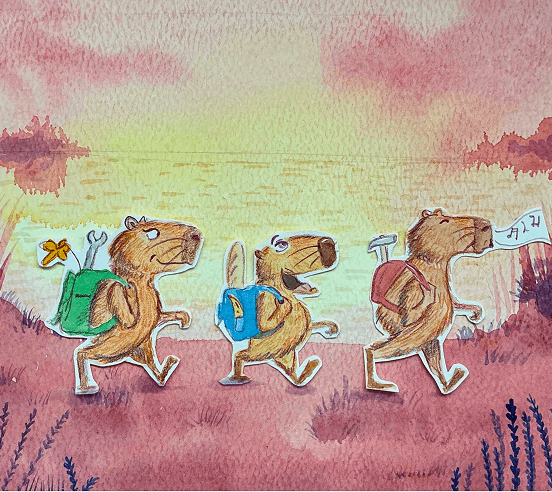
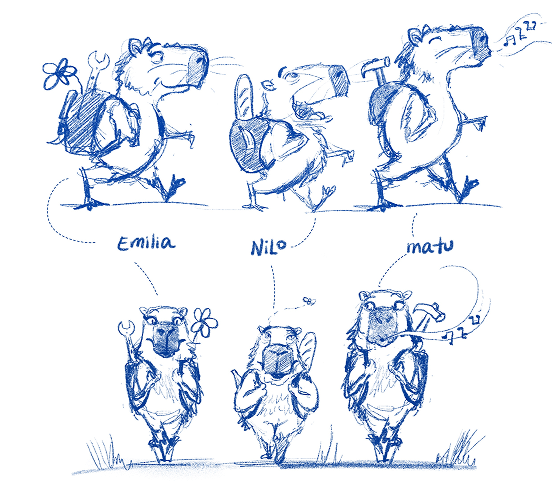
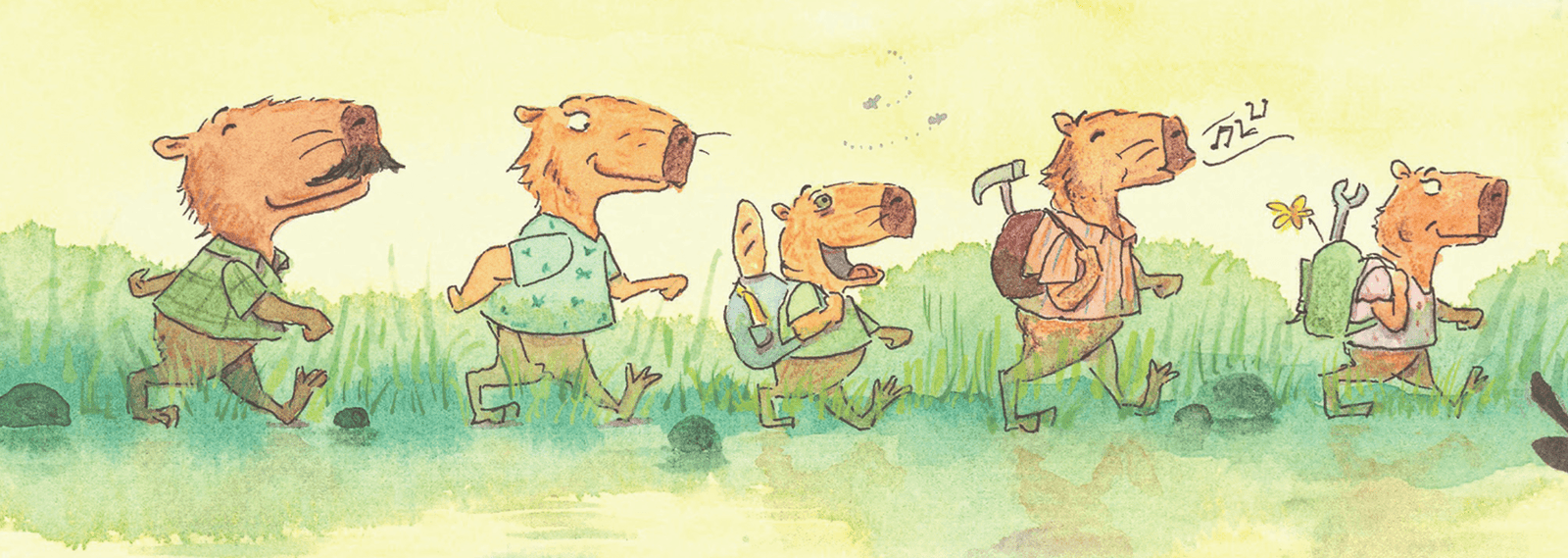
I began with the capybaras, studying their anatomy, proportions and distinctive features before exploring how these could translate into expressive characters. From early sketches and facial studies, I gradually developed the three protagonists and tested how their shapes and colours would work within the lagoon environment.

Carpincho/Capybara (Hydrochoerus hydrochaeris)
Early shape, proportion & expression studies
Colour & environment study
Character turnaround studies
Final character artwork

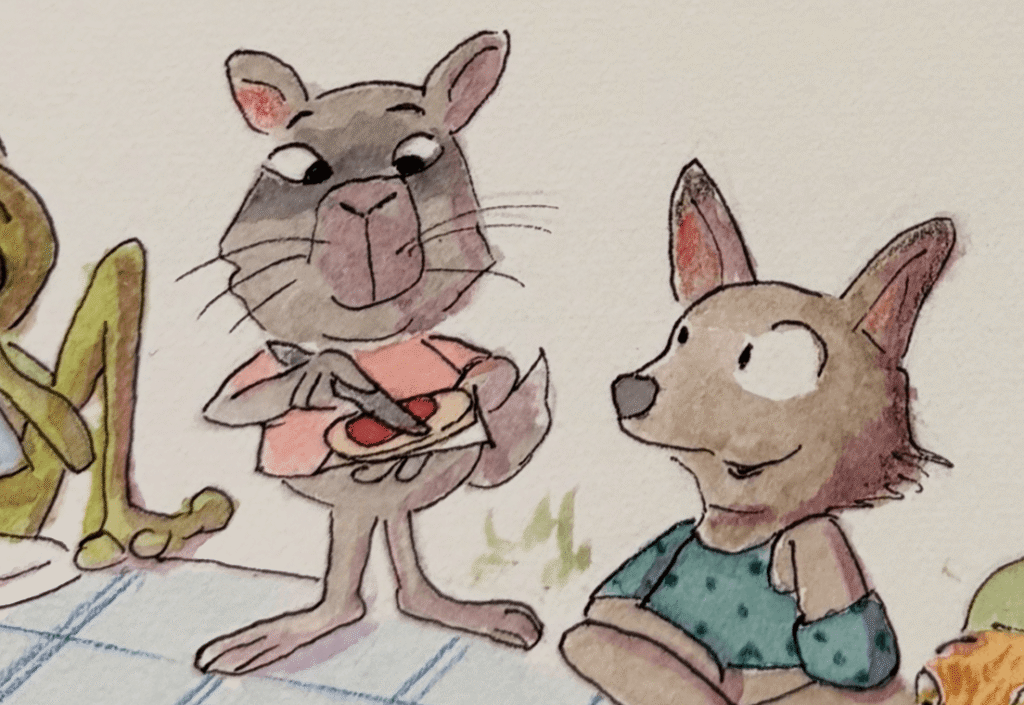
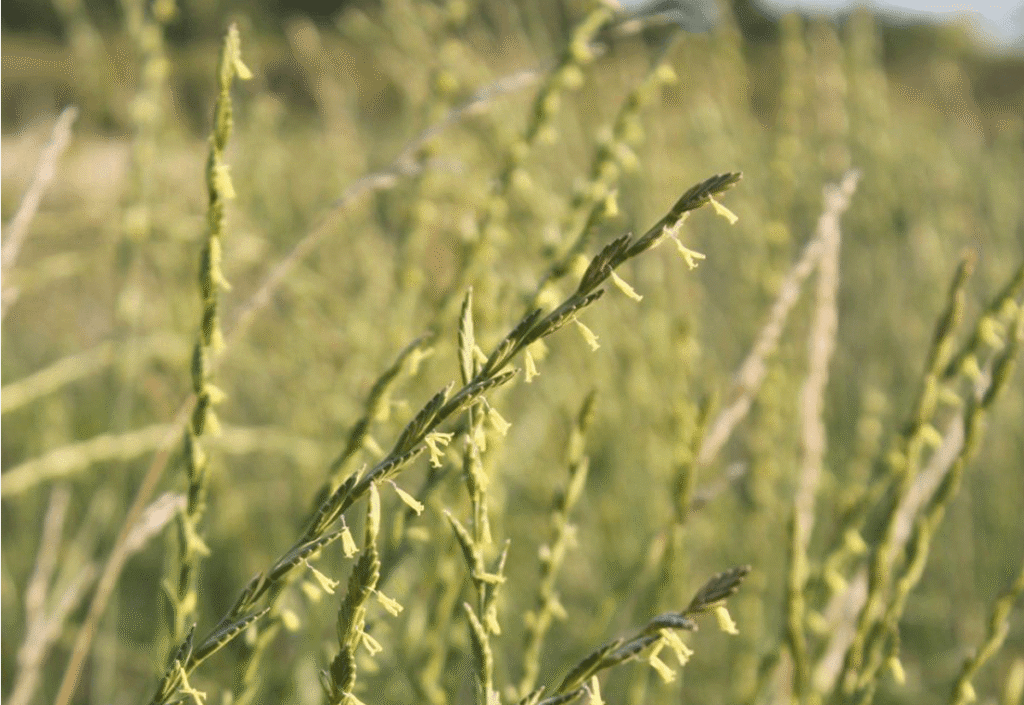
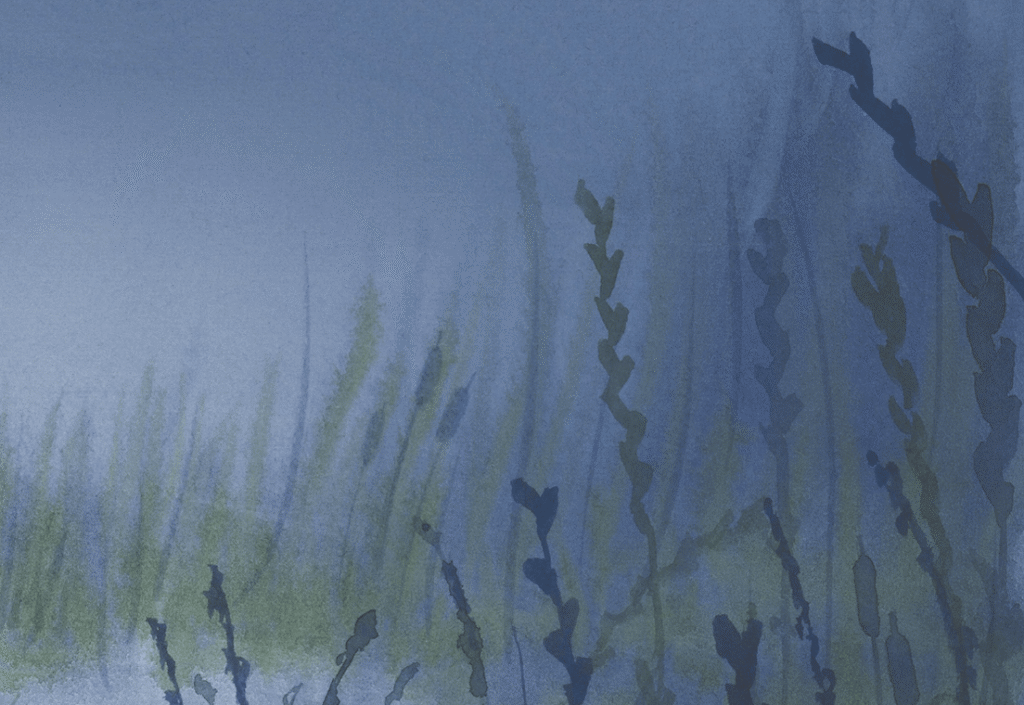
I followed the same approach with the other animals in the story, while also researching the landscape itself. Understanding what grows around a Pampas lagoon (from the presence and type of trees to the grasses and native vegetation) helped me build an environment grounded in the real ecosystem rather than a generic countryside setting.

Plains viscacha (Lagostomus maximus)
Final character artwork
Native wheatgrass (Elymus scabrifolius)
Final vegetation artwork

Storytelling

Each spread was composed to create a natural relationship between text and image, using negative space, character placement and light to make room for the words without separating them from the illustration.
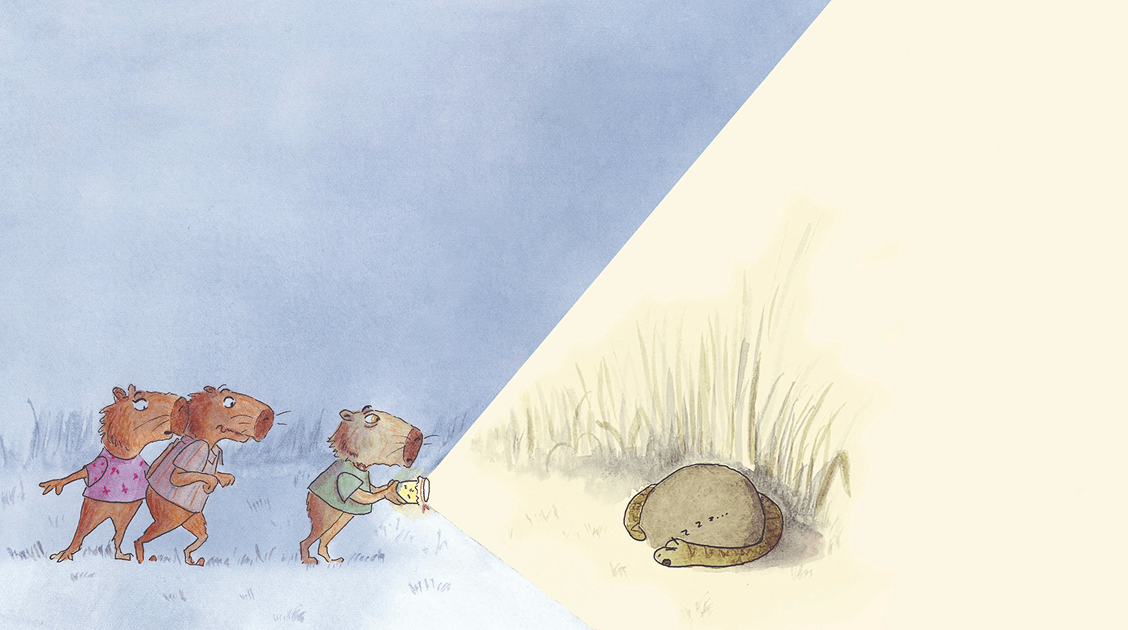
Character interaction was equally important. Gestures, expressions and physical closeness helped create moments of intimacy, humour and emotion, while composition and page turns were used to build anticipation and guide the reader through the story.

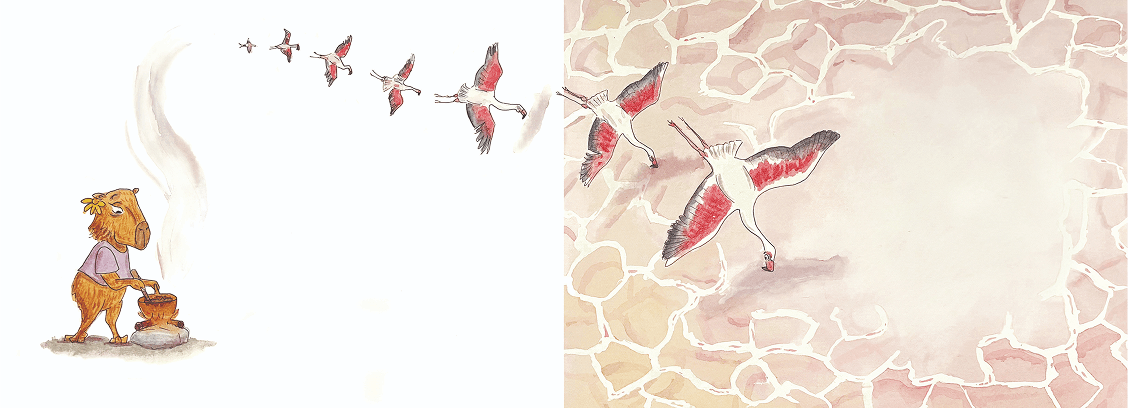
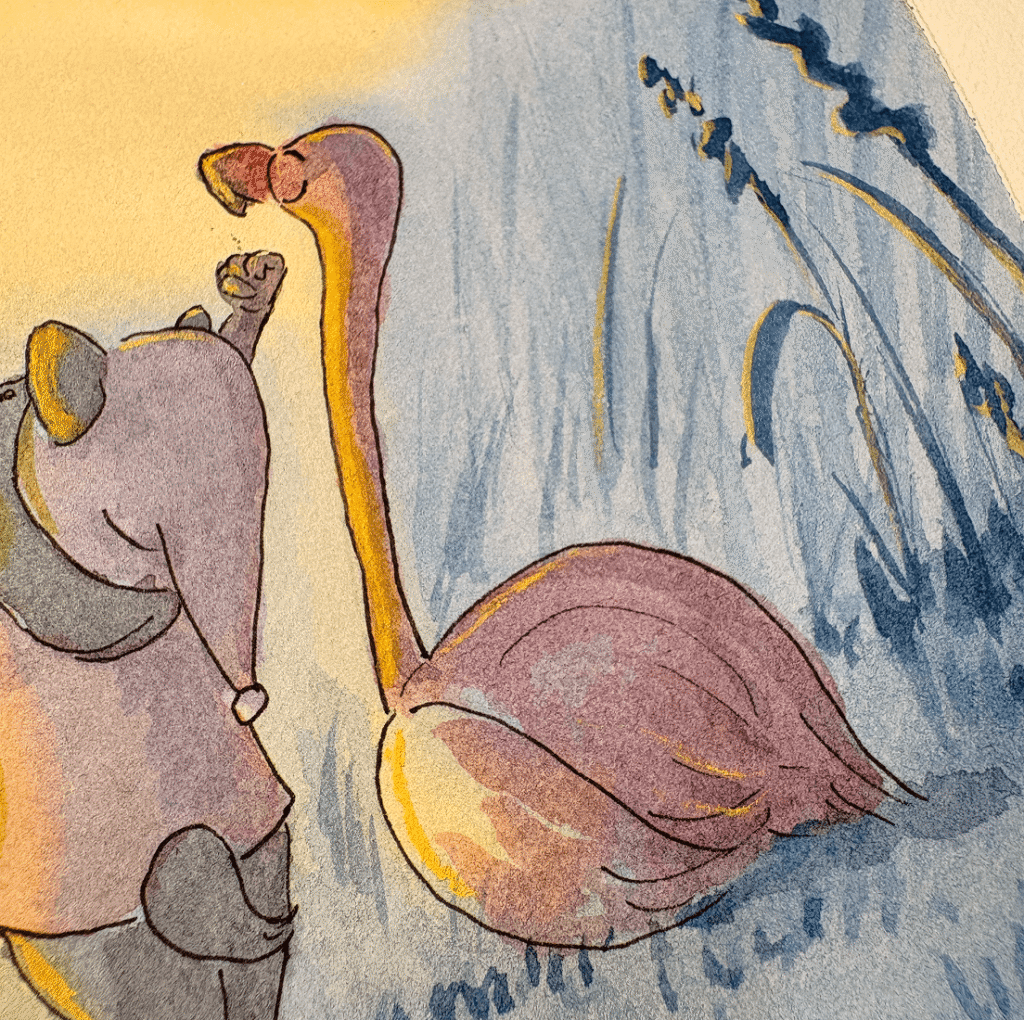
Sunset palette, flamingos & space for text
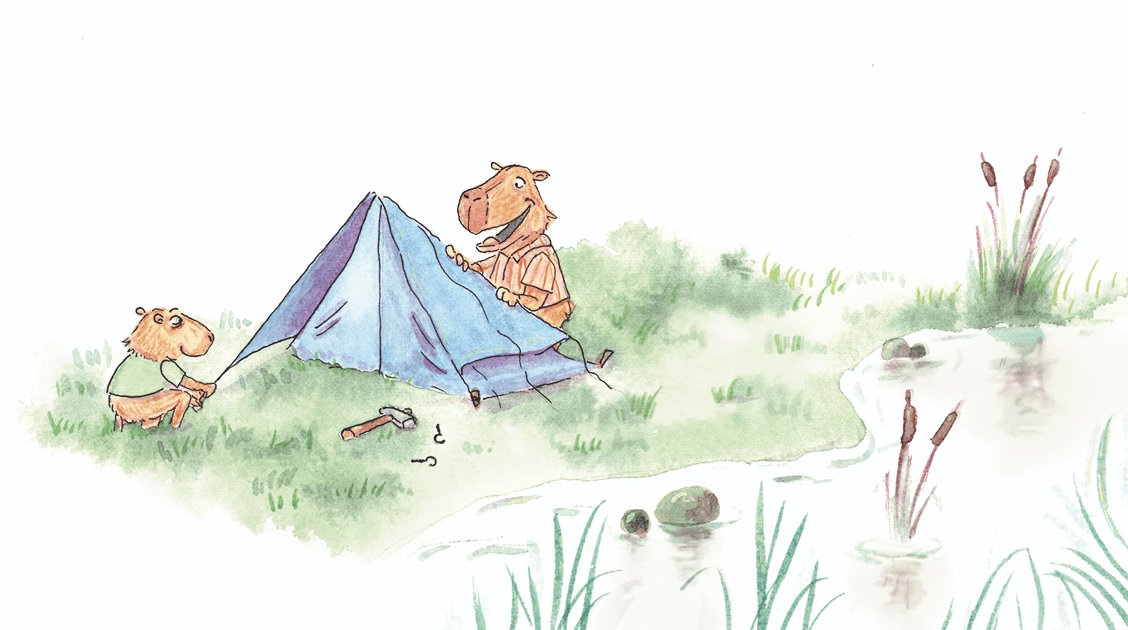
Nilo and Matu building the tent together
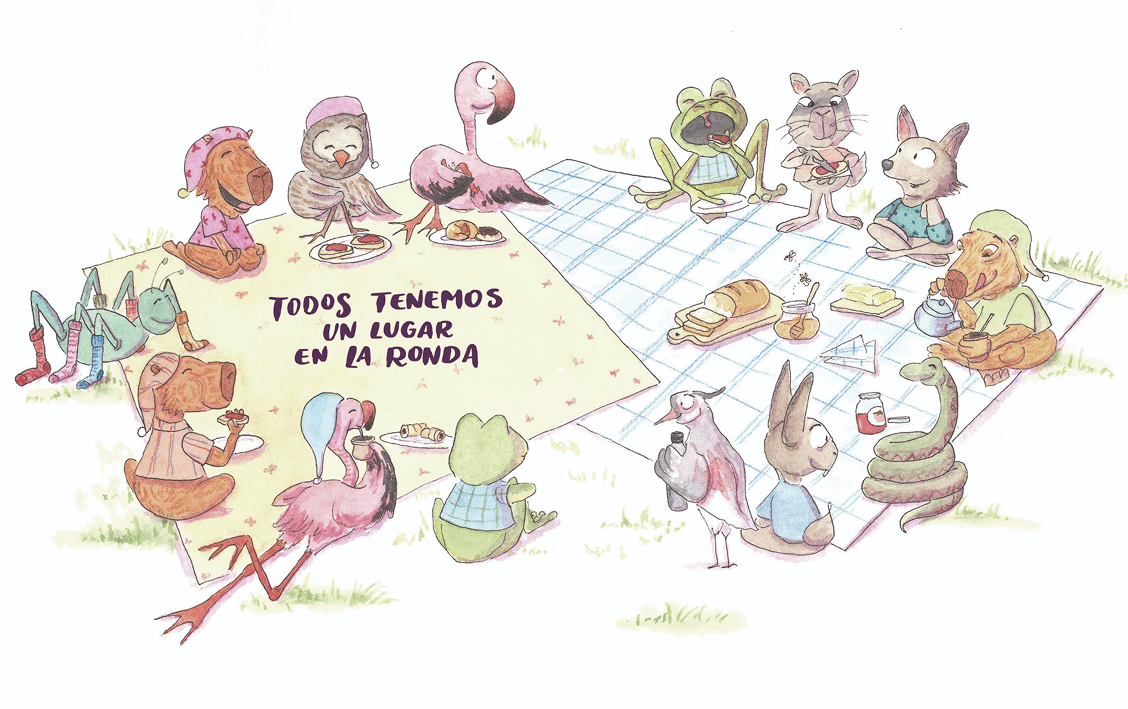
An ensemble scene: sharing a countryside breakfast
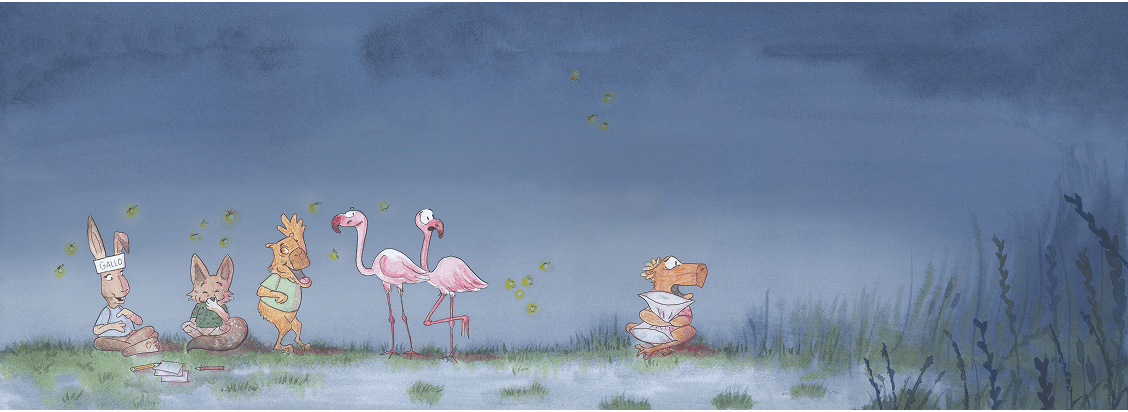
Building humour, tension and anticipation through the page turn
A quiet moment of connection
Using light to create space for text

Artistic challenges

Although most of the story takes place around the same lagoon, colour, light and atmosphere shift throughout the book to communicate the passing of time, from late afternoon and sunset through night and into dawn.

Afternoon
Sunset
Nightime
Morning

Painting the passage of time through light and colour

Details

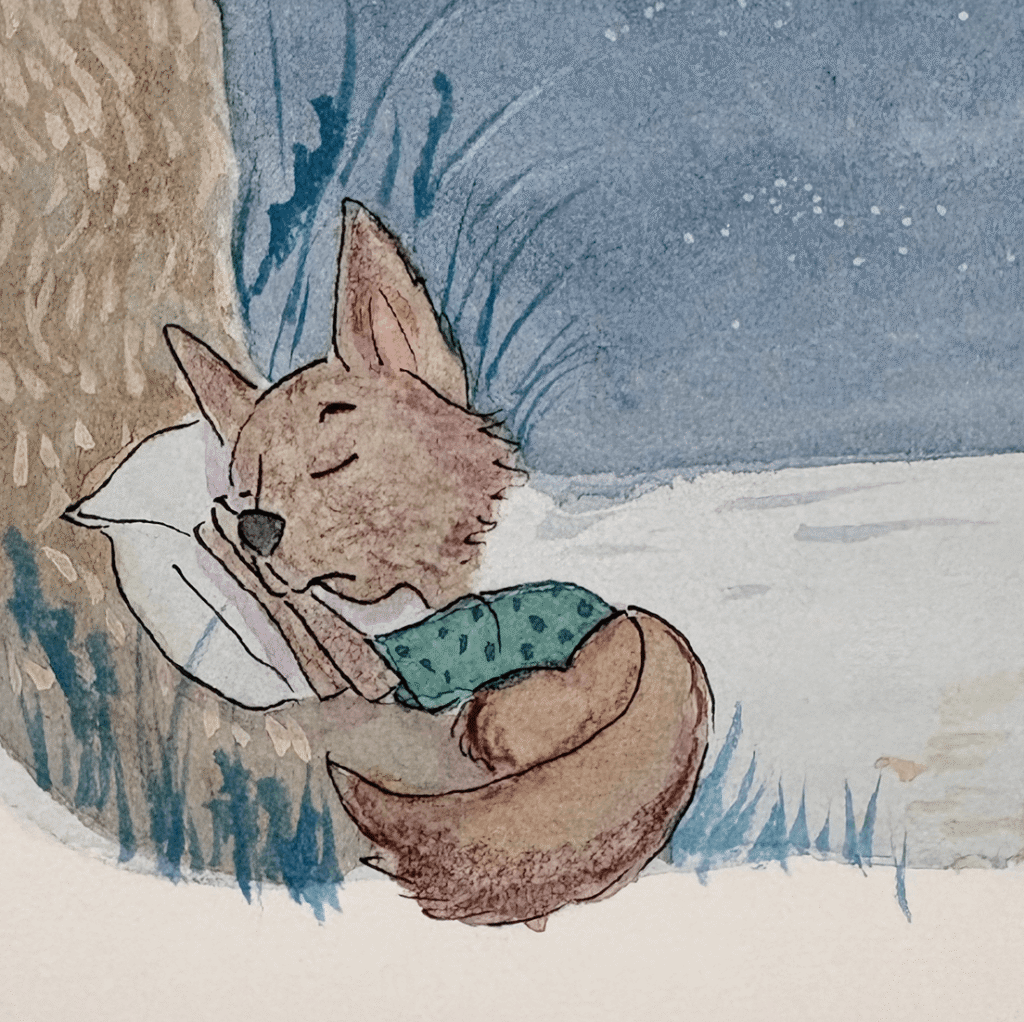
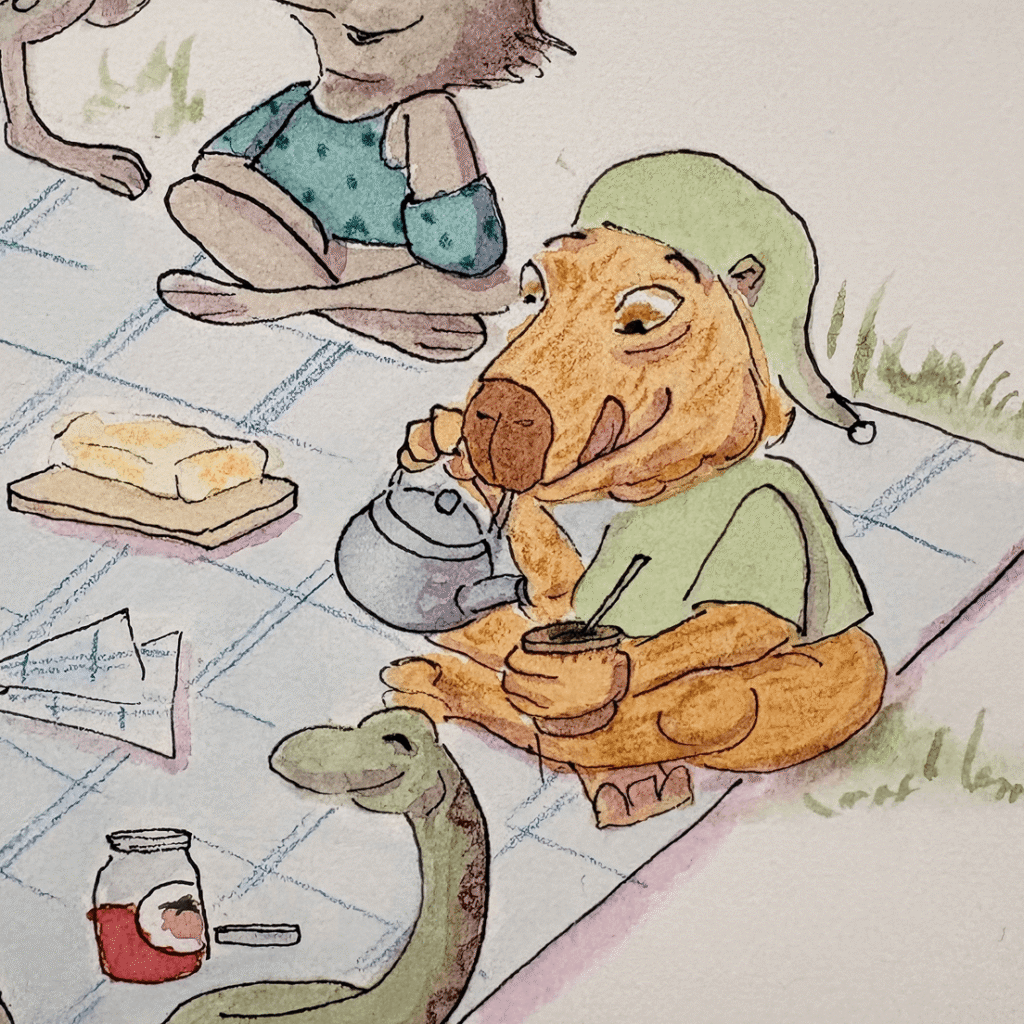
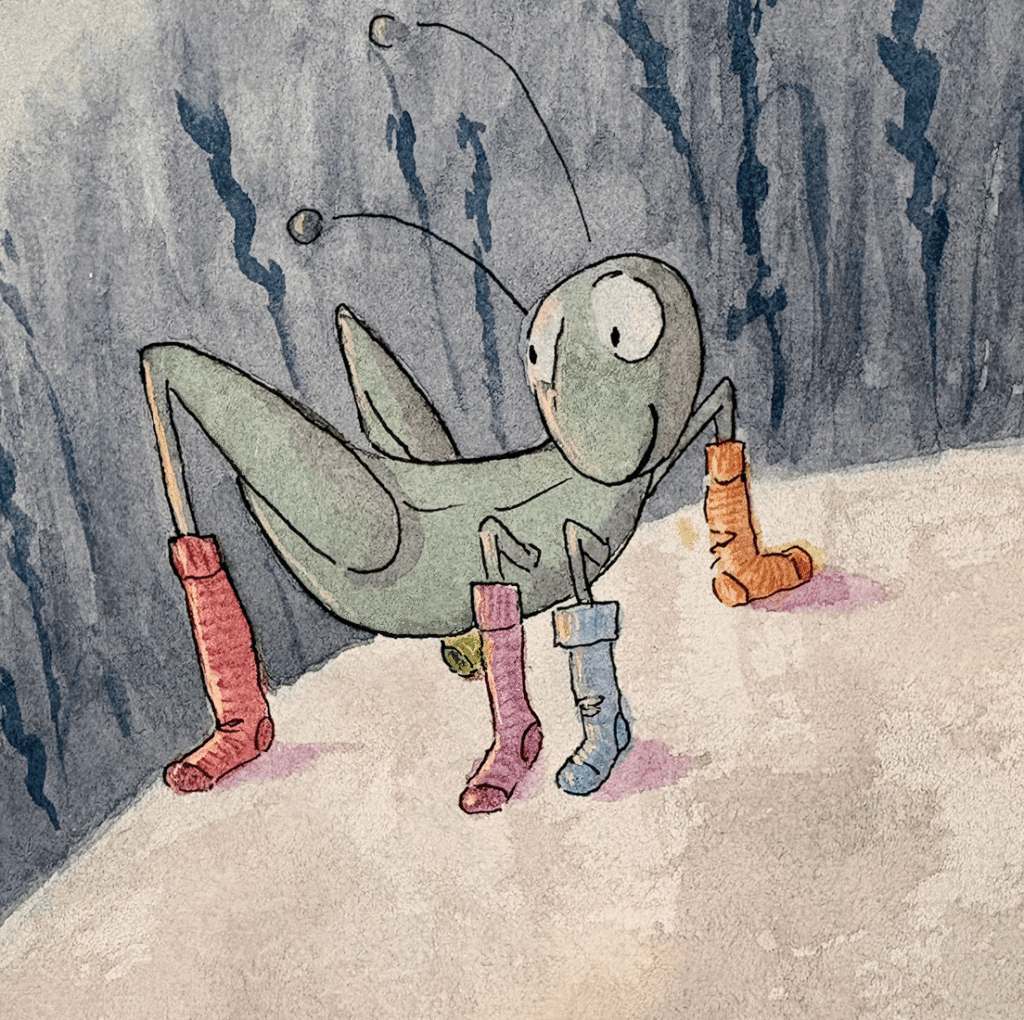
Sometimes, visual details convey tenderness better than words ever could.

Zazá the little fox, fast asleep
Nilo pouring mate
Nilo pouring mate
The warmth of the morning sun on the characters’ faces
A little cricket wearing mismatched socks

Printed book

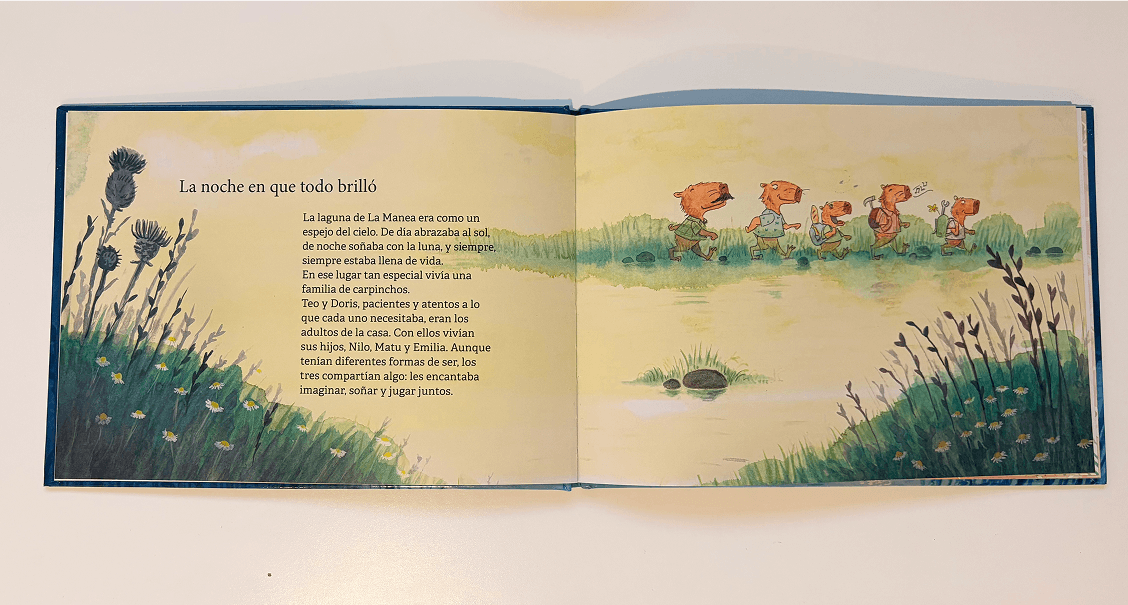
Seeing the illustrations come together as a finished picture book brings the entire visual narrative into context; from individual details and character interactions to the rhythm of the spreads as a whole.

Cover
Cover
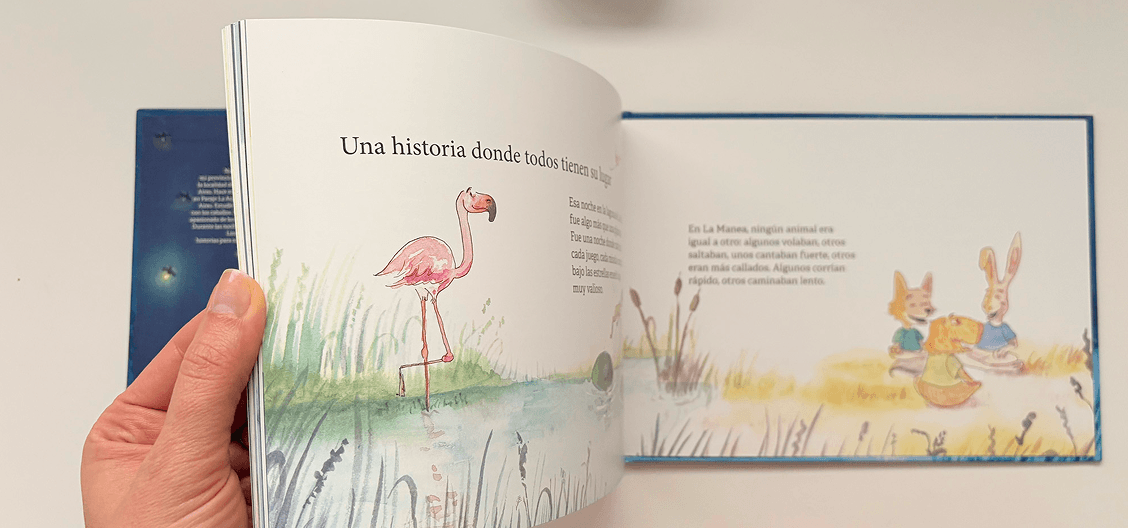
Introducing the main characters and their lagoon
Flamingo detail in print
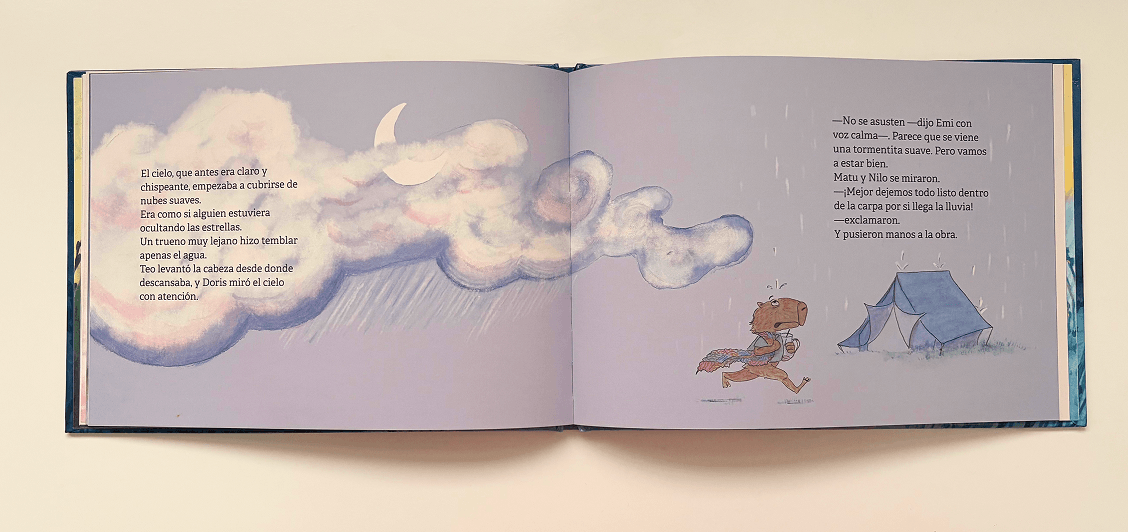
A soft storm approaching
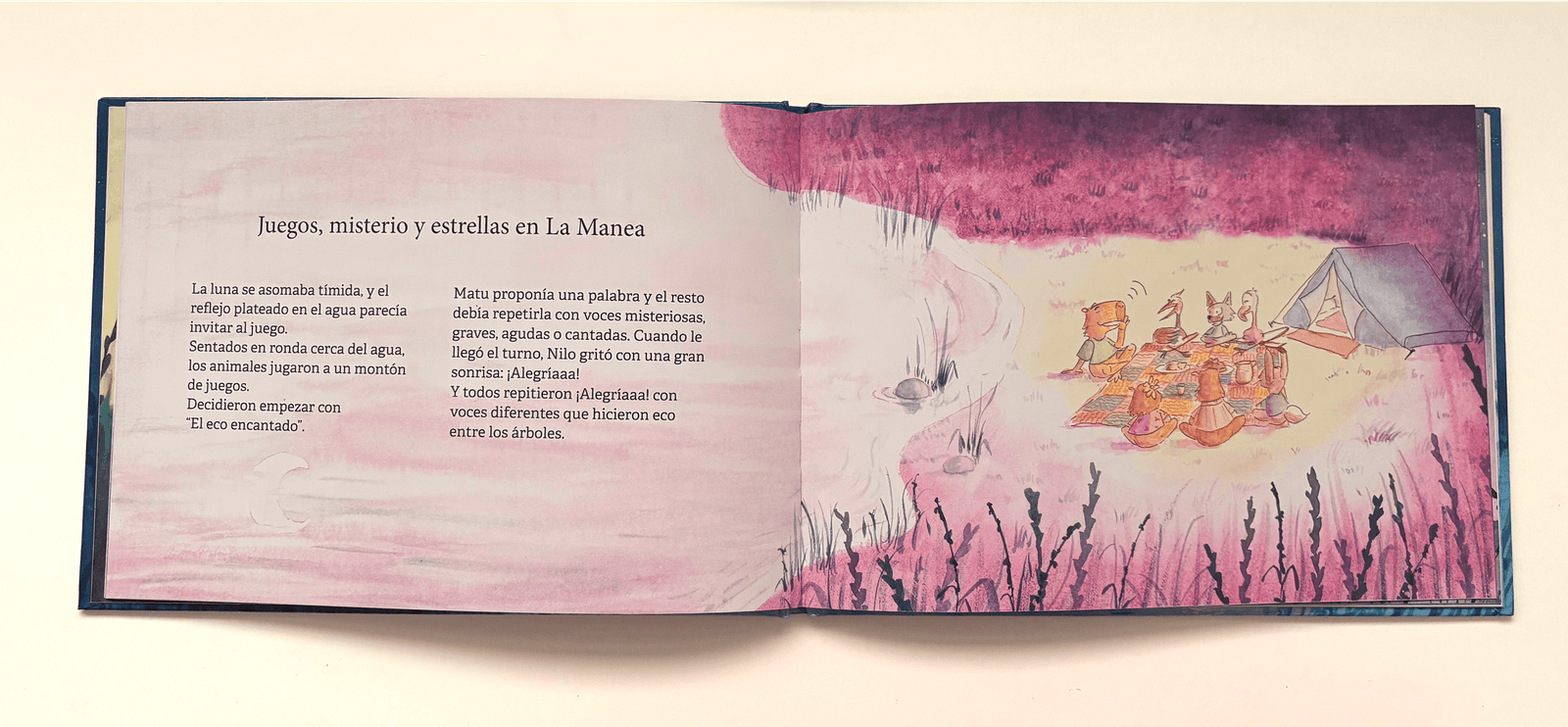
Late afternoon fading into night, with the lagoon creating space for text